We Handle the Hard Part
Insurance Assistance
Insurance claims involve more than just filing paperwork. The process includes inspections, documentation, communication with adjusters, and ensuring the approved work is completed correctly. EM Johnson Roofing Company, LLC helps guide property owners through each stage — whether the project is insurance-based or handled privately — so nothing is overlooked.
Not every project involves an insurance claim — and we’re fully equipped to handle both.
Local Claims Support
Roof Insurance Claim Help in Little Rock and Central Arkansas
Storms in Arkansas bring hail, wind, and heavy rain that can damage a roof without obvious signs from the ground. That’s why a thorough inspection and proper documentation are critical when filing an insurance claim.
Working with a local contractor during the insurance process helps ensure damage is properly identified, documented, and presented clearly for review.
Services
Support from Start to Finish
Complete Insurance Support
for Storm and Property Damage
When damage is identified and a claim appears warranted, EM Johnson Roofing Company, LLC can help initiate the process on the spot and guide you through next steps — with no pressure or obligation.

Storm and Hail Damage Inspections
We perform detailed inspections to identify storm-related damage and document what we find, so you have a clear record of the roof’s condition.

Insurance Claim Documentation
We provide photos, measurements, and written assessments that clearly document damage and support an accurate review.

Adjuster Meeting Support
If your insurer schedules an adjuster visit, we make ourselves available to meet on-site, review the roof together, and ensure all documented damage is properly addressed.

Scope Review and Approval Guidance
Once the insurance scope is issued, we review it with you to confirm it reflects the documented damage and aligns with the actual condition of the roof.

Repair and Replacement Coordination
After approval, we coordinate repairs or replacement to ensure the roofing system is restored correctly and the project moves forward efficiently.
We focus on doing our part thoroughly — so you can move forward with clarity and confidence.
Clear and Guided
Insurance Claim Help
Storm damage can be stressful, especially when insurance is involved. Our team helps homeowners understand the inspection process and ensure legitimate roof damage is properly documented.
01
Free Roof Inspection
We evaluate the roof and identify storm-related damage.
02
Documentation
If damage is present, we document it clearly for your records.
03
Adjuster Inspection
When the insurance adjuster visits, we can be present to ensure the roof is evaluated thoroughly.
04
Repair or Replacement
Once the claim is approved, the work is completed professionally and efficiently.
No More Surprises
Understanding Deductibles and Policy Changes
Insurance policies have changed in recent years, especially in storm-prone regions like Arkansas. Many property owners are surprised by how deductibles, depreciation, and coverage limits affect what they actually pay after a claim. Understanding these details ahead of time helps you plan financially, ask better questions, and avoid unexpected costs when damage occurs.

Percentage-Based Deductibles
Some policies now calculate deductibles as a percentage of the property value rather than a fixed amount. This can significantly increase out-of-pocket costs after a storm.

Actual Cash Value vs Replacement Cost
Policies may pay based on depreciated value rather than full replacement cost. Understanding which applies to your roof helps set realistic expectations.

Exclusions and Limitations
Certain types of damage or aging materials may fall outside coverage. Reviewing the policy carefully helps avoid surprises during the claim process.
Avoid Common Errors
Protecting Property Owners From Costly Mistakes
Insurance claims move more smoothly when damage is documented correctly, and decisions are made with clear information. EM Johnson Roofing Company, LLC helps property owners avoid mistakes that can delay or reduce claim outcomes.
Delayed Inspections
Waiting too long after a storm can make it harder to document damage accurately.
Incomplete Documentation
Missing photos or measurements can lead to underpaid or denied claims.
Accepting Inaccurate Scopes
If the insurer’s scope misses key damage, repairs may not fully restore the roof.
Choosing Unqualified Contractors
Poor workmanship can create new problems even after a claim is approved.
On Your Side
Why Homeowners Trust EM Johnson
for Insurance Claims
Insurance claims can feel confusing, especially when property damage is involved. What matters most is having someone explain the process clearly, communicate honestly, and focus on protecting your property’s long-term condition.
And that’s how EM Johnson Roofing Company, LLC supports property owners throughout Central Arkansas.

Proven Industry Knowledge
With decades of combined experience in roofing, insurance, and construction, we understand how claims are evaluated and how roofs should be restored.

Licensed, Bonded & Insured
We meet Arkansas requirements and carry the proper coverage so your project is handled responsibly. License #58072.

Transparent Communication
We explain what we find, outline next steps, and keep you informed throughout the process.

Quality Repair Standards
Approved claims are completed using proper materials and installation methods so the roofing system performs reliably.

Community First Values
We believe in treating people right and building relationships that last, both on the job and in the communities we serve.
Know When to Act
Signs You May Need to File an Insurance Claim
Roof damage isn’t always obvious right after a storm. Some issues show up immediately, while others appear weeks later as materials shift, seals weaken, or moisture finds its way inside. Knowing what to watch for helps you decide when an inspection may be worth scheduling so you can document damage early and understand your options.
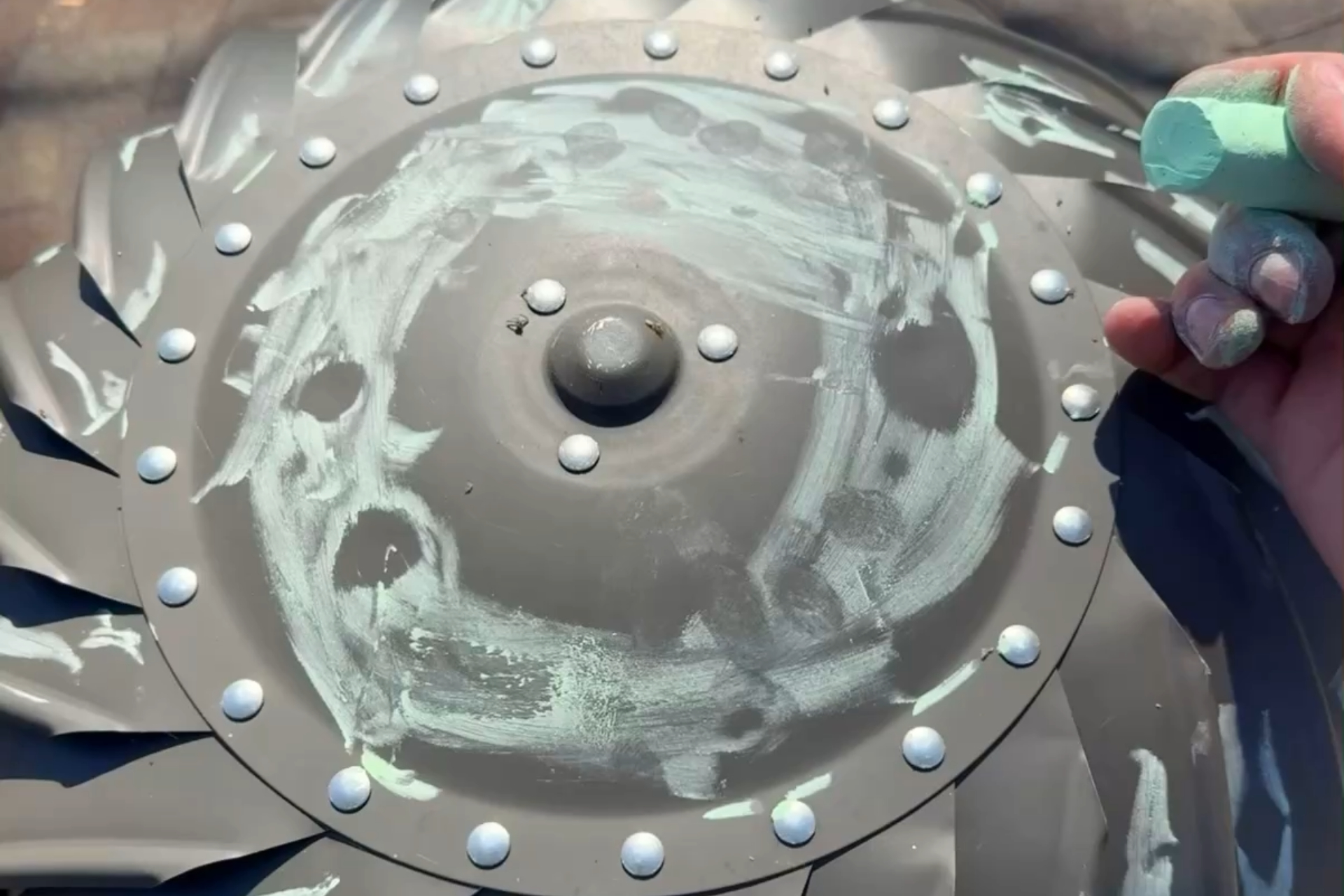
Visible Storm Damage
After severe weather, visible damage on the roof or around the property is often the clearest indicator that a claim may be justified. Hail can leave impact marks, loosen granules, or fracture shingles in ways that aren’t always noticeable from the ground. High winds can lift edges, displace flashing, or break seals that keep water out.
Even if the roof still looks intact, fallen debris, dented vents, or damage to gutters and siding can suggest the roof absorbed a similar impact. A professional inspection helps confirm whether those signs point to claim eligible damage.
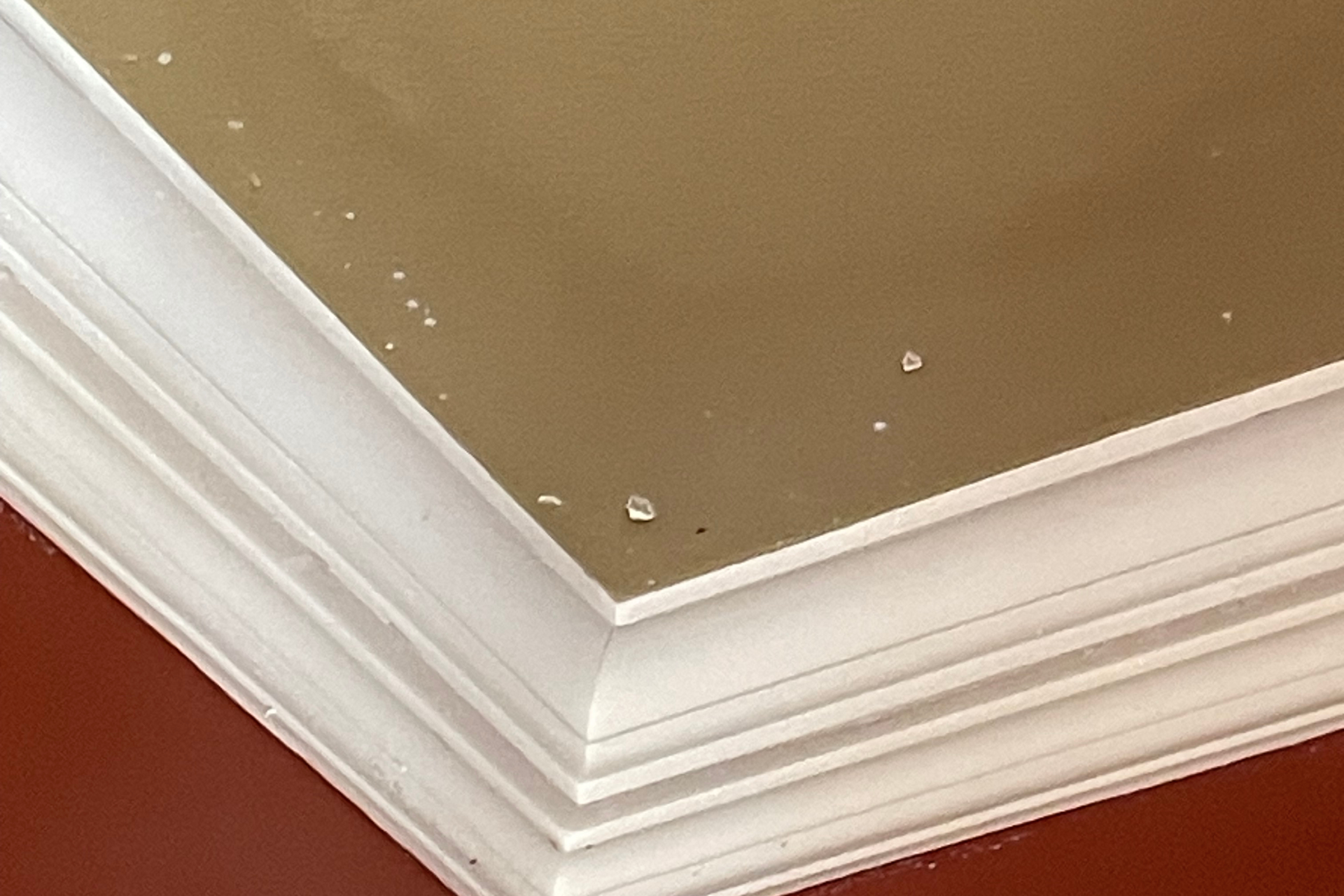
Interior Water Intrusion
Water stains on ceilings, damp insulation, or moisture in the attic often signal that the roofing system has already been compromised. Even small leaks can indicate that protective layers above the roof deck have been affected by wind or hail.
If water appears after a storm or during the next heavy rainfall, documenting it quickly can help support a claim and prevent further interior damage
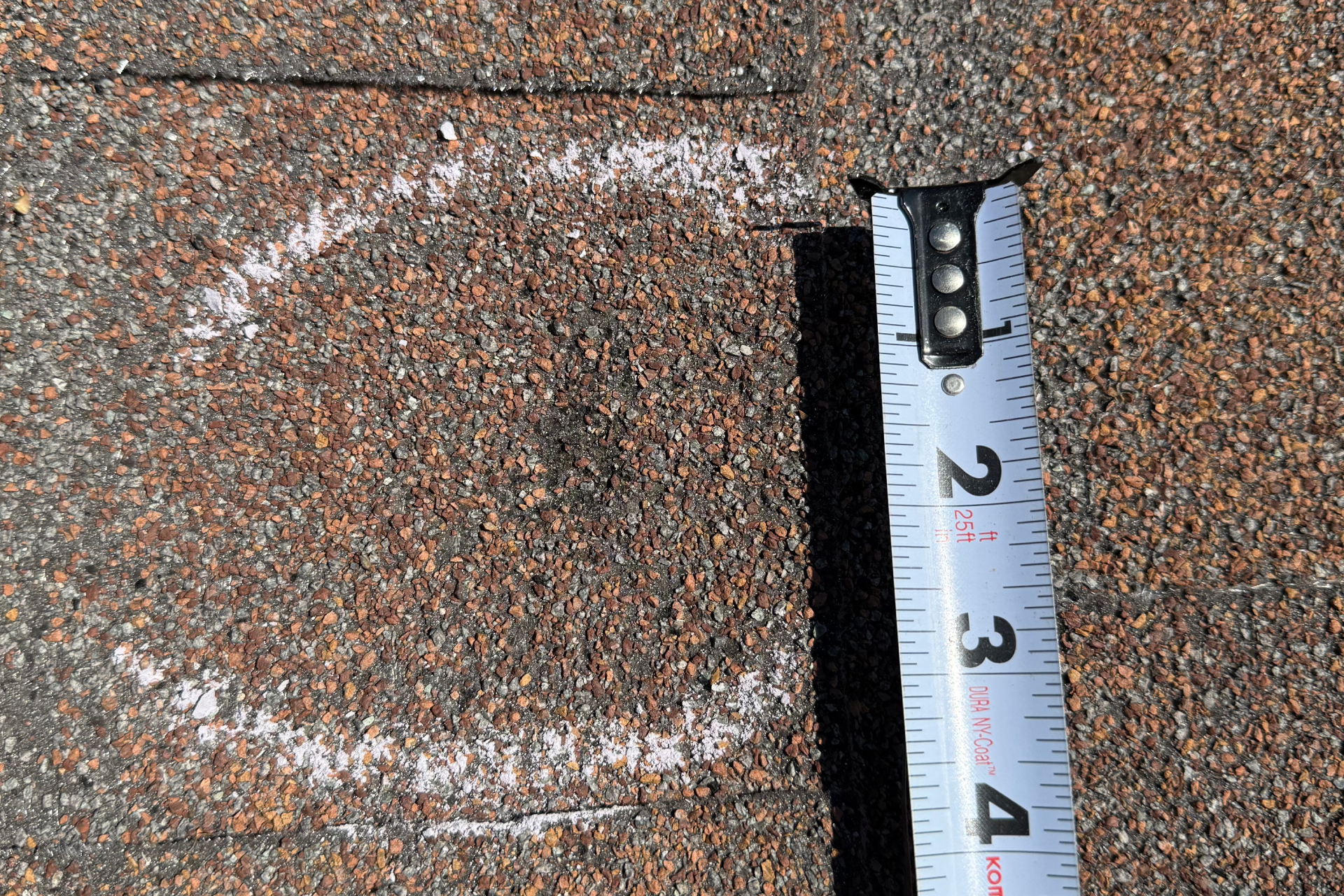
Granule Loss and Impact Marks
Granules protect shingles from UV exposure and weathering. After hail or severe storms, you may notice granules collecting in gutters or at downspouts. Impact marks, soft spots, or uneven shingle surfaces can also indicate storm-related damage that may not be visible from the ground.
These signs don’t always mean the roof needs replacement, but they often justify a closer inspection to determine whether the damage qualifies for insurance consideration.
FAQs
Answer to Common Questions
Frequently Asked Questions
Property owners often have similar questions when they start considering an insurance claim after storm damage. Here are some of the ones we hear most often.
Will filing a roof insurance claim raise my premiums?
It can. Insurance companies may adjust premiums after a claim, depending on factors like your insurer, claim history, and regional storm activity.
That said, when damage is significant, filing a claim is often the most practical way to restore the roof properly. The key is understanding the potential trade-offs so you can make an informed decision based on your situation.
Can you help if my roof damage is from an older storm?
Possibly. If the damage is still present and can be documented, an inspection can help determine whether a claim may still be viable under your policy terms. That said, we don’t recommend waiting. Acting quickly after damage occurs gives you the best chance of documenting the issue clearly and avoiding complications with your claim.
How long does the insurance claim process take?
Most claims take several weeks from inspection to approval, though timelines vary by insurer, documentation, and weather conditions. We help you understand what to expect at each stage so the process feels more predictable.
Do I have to use the insurance company’s contractor?
No. You have the right to choose the contractor you trust to complete the work. Insurance companies may suggest vendors, but the decision ultimately belongs to you as the property owner.
What if my claim is denied or underpaid?
In some cases, claims may be denied or approved for less than expected. When that happens, there may be options to revisit the claim with additional documentation or clarification — it’s not always the end of the process.
While outcomes depend on the insurer and policy, we help you understand your options so you can make informed decisions about next steps.
Get Help With Your Roofing Insurance Claim Today
The longer the damage goes undocumented, the harder it can be to support a claim. Starting the process now helps protect your coverage and your property.